
To buy a new construction home near Lake Norman, bring your own buyer's agent to your first visit to the model home, read the builder's contract before you put down a deposit, inspect the house before the drywall goes up and again before closing, and get the warranty in writing. The sales agent in the model home works for the builder. We are Sean Herndon and Wendy Atherton, Winston Dane at eXp Realty, and we represent the buyer. Call or text 704-912-0999.
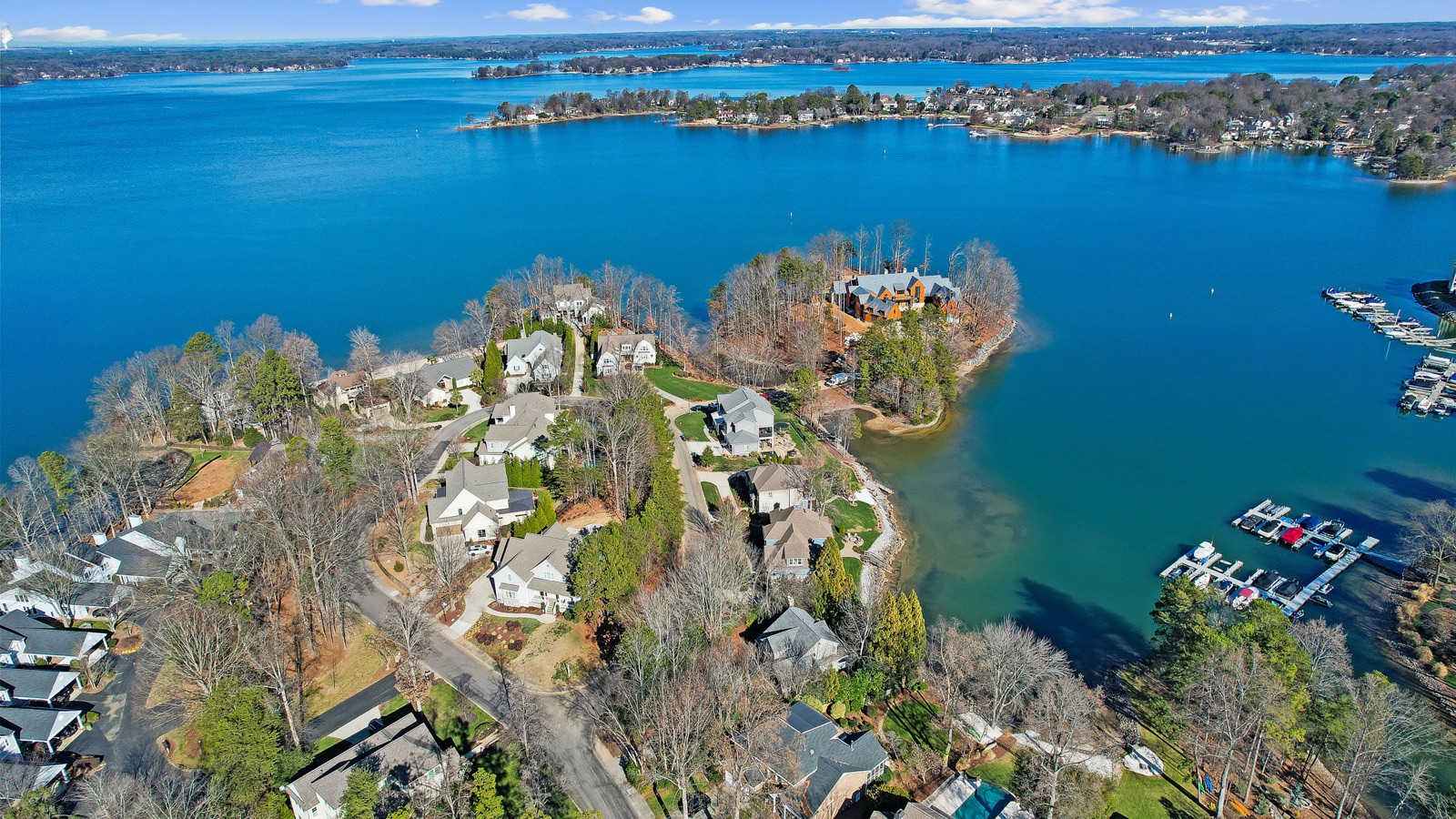
This guide is for anyone planning to buy a home that is still being built, or one that is finished but has never been lived in, in Mooresville, Cornelius, Huntersville, Davidson, Denver, Sherrills Ford, Terrell, Troutman or Statesville. That includes buyers relocating to Lake Norman who will do much of it from out of state, and anyone weighing a build against the homes for sale today. Each section answers one question buyers ask us, in the order the decisions come up.
Who does the agent in the model home work for?
The builder. The sales agent in the model home represents the builder, and that is their job. North Carolina has no in-between: a broker works for the buyer, for the seller, or, with written consent, for both, and there is no "neutral" transaction agent in this state (North Carolina Real Estate Commission). So the person helping you choose a lot, a plan and upgrades has a duty to the builder on price, on what is included and on the contract terms.
If you want someone whose duty is to you, that has to be your own buyer's agent. In North Carolina a buyer agency agreement has to be in writing no later than the time an offer is made (North Carolina Real Estate Commission). We sign ours before we tour anything, so from the first day you know what we do for you and how we are paid.
Before your first visit: the builder's registration rule
Many builders ask that your agent come with you, or be named on the registration card, the first time you visit a community or sign up on the builder's website. If you walk in alone and register, some builders will not recognize an agent you bring in later. Policies differ by builder and by community, so settle it before you go:
- Call us before the first visit, and we will register you with the builder or come along.
- If you have already visited, ask the builder's office for its agent policy in writing before you sign anything.
- Keep a note of every community you have registered at, and on what date.
A builder's community, or a custom build on your own lot?
In a builder's community
You choose a plan and a lot in a community the builder is developing. The price usually comes in pieces: a base price, a premium for some lots, and a list of options and upgrades. Ask for all of it on paper:
- What is included in the base price, room by room, inside and out?
- What does each option cost, and by what date does each one have to be chosen?
- Why does this lot carry a premium, and what is behind it, beside it and planned next to it?
- Can the price, the options or the plan change after you sign?
- Is there a finished or nearly finished house in this community that could close sooner?
A custom build on your own lot
Here the lot comes first, and most of its answers belong to the town, the neighborhood documents and an architect, not to an agent's memory. Ask before you buy the lot:
- What do zoning and setbacks leave, and where can the house actually sit?
- How much of the lot can be covered by roof, driveway and patio?
- What do the town and the neighborhood require for design, such as materials or garage direction?
- Public water and sewer, or a well and septic? What do the soil and the permits say?
- When can a building permit realistically be pulled?
- Has an architect who works in this town looked at the lot?
If you want to buy a waterfront home on Lake Norman and build it new, the lot questions come with one more: the dock. Piers, docks and shoreline work on the lake are permitted by Duke Energy, and our Lake Norman waterfront guide walks through how that permit works.
The builder's contract: what to read before the deposit
Builders often use their own purchase agreement. It is written by the builder's side, so read it as written, before any money moves:
- The deposit. How much, when it stops being refundable, and what happens to it if the builder does not finish.
- The completion date. Is it an estimate or a promise, and what does the contract say if it slips?
- Price and plan changes. Can either change after you sign, and who has to agree?
- What is included. The options list, priced, attached to the contract, not described in an email.
- The loan. If an incentive depends on the builder's preferred lender, compare that lender's full Loan Estimate with an outside lender's before you choose. If the incentive is a rate buydown, our rate buydown calculator for Lake Norman buyers shows what it is worth against the same dollars off the price.
- The appraisal. What happens if the house appraises below the contract price?
- Your own inspector. Does the contract let your inspector in during construction, and at which stages?
- The warranty. What it covers, for how long, and how a claim is made.
Anything you are unsure of goes to a North Carolina real estate attorney before you sign. We read the contract with you and flag what to ask.
Why a brand-new house still needs inspections
On most resale homes in North Carolina, the seller hands the buyer the Residential Property and Owners' Association Disclosure Statement. On a new house you will not get it: the law exempts "the first sale of a dwelling never inhabited" (N.C. General Statute 47E-2(b)(1)). With no disclosure form, your own inspections carry the weight. Town and county building inspections confirm the house meets the building code; they are not your inspection of the workmanship and finish.
- Before the drywall goes up. Framing, plumbing, wiring and ductwork are still visible. This is the inspection that cannot be done later.
- Before closing. A full inspection of the finished house, ahead of the final walk-through, so its findings go on the builder's list.
- Before the warranty period ends. If the builder's warranty has a first-year workmanship period, one more inspection shortly before it ends catches what showed up after move-in.
The walk-through and the warranty
Before closing, the builder walks the house with you. Everything you find goes on one written list, with photos, and the builder dates each fix. Keep that list, the warranty, the appliance paperwork and the final inspection report in one place. Warranty requests go in writing, in the way the warranty says, and we help you follow them up in the first year.
Build, or buy a home that is already finished?
Plenty of buyers start out set on building and end up happier in a house a few years old, and the other way round. Before you commit to a build, look at the homes for sale and the new listings in the towns you are considering, side by side with the plans. The questions that decide it:
- When do you need to be in? A build sets its own date.
- Which matters more: the lot and the setting, or choosing every finish?
- Will it be your main home, a second home or an investment property?
- Is a finished house in the same community already on the market?
Whether you buy a home that is finished or one that is still being framed, the same rule holds: decide on paper, before the deposit.
Two costs to compare across towns before you choose: the yearly tax bill, set out in Lake Norman property taxes by county, and, if the lot is on the water, the dock and shoreline checks in our guide to what to check before you buy a waterfront home on Lake Norman.
What we do for a new-construction buyer
Sean Herndon leads our work with new-construction buyers, with Wendy Atherton alongside. Sean is a former member of the Town of Cornelius Planning Board, so a custom build starts with the lot questions: zoning, setbacks and what the town requires. Here is the process, from the first conversation to the end of the first year:
- We register you with the builder before your first visit, or come with you.
- We line up new-construction communities and the homes for sale nearby, so you compare a build with a finished house on the same terms.
- We read the price list, the lot premium and the options list with you, and put every question to the builder in writing.
- We read the builder's contract with you before the deposit, and send anything legal to your attorney.
- We set up your inspections before the drywall and before closing, and attend the builder's walk-through.
- We keep the punch list going until each item is signed off, and help with warranty requests in the first year.
Common questions about buying new construction at Lake Norman
Do you need a realtor to buy a new construction home?
No law requires one. But the agent in the model home represents the builder, so without your own agent no one in the deal has a duty to you. A buyer's agent represents you on the lot, the options, the contract and the inspections.
Does it cost more to bring your own agent?
Ask the builder, in writing, whether the price or any incentive changes if you bring an agent. How we are paid is written into our buyer agreement before we tour anything, so it is never a surprise.
Can you bring an agent after you have already visited the builder?
It depends on the builder's registration policy. Some will recognize an agent you bring later and some will not. Ask the builder's office for its policy in writing, then call us.
Does a brand-new house need a home inspection?
Yes. North Carolina exempts a never-occupied new home from the seller disclosure form, and the town's code inspections are not a review of workmanship. An inspection before the drywall and another before closing are the two that matter most.
How long does a new build take?
It depends on the builder, the plan and the permit. Ask for the estimated completion date in writing, and read what the contract says happens if it slips.
Sources
- North Carolina General Assembly, G.S. 47E-2, exemptions from the Residential Property Disclosure Act, subsection (b)(1): "Transfers involving the first sale of a dwelling never inhabited." ncleg.gov, read October 20, 2026.
- North Carolina Real Estate Commission, "Buyer Agency Agreements": a buyer agency agreement must be in writing no later than the time an offer is made. bulletins.ncrec.gov, read October 20, 2026.
- North Carolina Real Estate Commission, "Getting Agency Representation Right: Clarifying the Practice of Seller Subagency": North Carolina has no transactional brokerage; a broker represents the buyer, the seller, or both under a written agency agreement. bulletins.ncrec.gov, read October 20, 2026.