
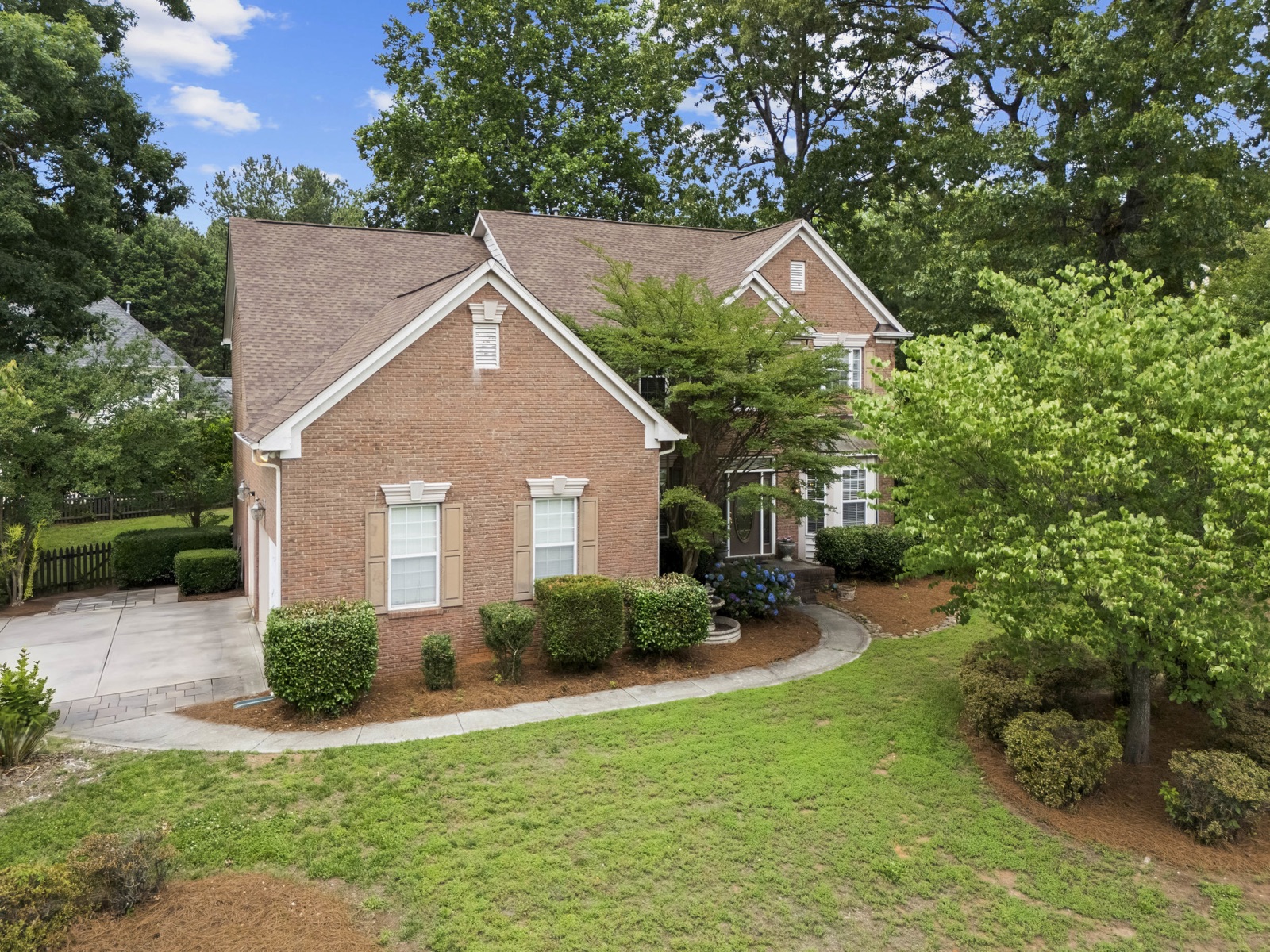
Open the listing you are looking at. Eight questions about it, the strategy against the rental rules on that address, the lot, the tenant, the condition, the clock, name the thing most likely to break this deal and the questions to ask before you write an offer. Result on the page. Nothing to enter first, and not one made-up number.
Prefer to talk it through? Call or text 704-912-0999. Fifteen minutes, free, no pitch. Text us the address →
A deal that works on paper and fails on the rules is not a deal. Verify the rules first, then run the numbers.
Most investment mistakes around Lake Norman are not pricing mistakes. They are a plan that was never allowed on that address, a lot that cannot be built on the way the plan needs, a lease that outlasts the strategy, or a house that needed a roof and a crawlspace before it needed a tenant. Every one of them is visible before the offer, if someone looks. Whether you are buying a home to rent in Huntersville, buying a lake house to hold in Denver, or searching homes for sale in Statesville to fix and resell, the five below are the check.
Rental rules are set per town and per association, and they change. Some Lake Norman towns regulate short-term rentals by ordinance. Many associations restrict rentals outright, cap the number of rentals in the neighborhood, or set a minimum lease term. None of that is on the listing. The association documents and the town's current ordinance are, and both get read before the offer, not after closing.
The lake sits in a watershed, and the state limits how much of a lot can be covered by house, driveway, garage and pool, whether or not the lot touches the water. A big lot is not automatically a buildable one. Add the flood map, and on a waterfront address the managed shoreline and the winter drawdown, which decide what a lake rental actually rents as in February.
A tenant in place can be the best part of a deal or the thing that sinks it. The lease term, the rent against the plan, the deposit, the condition of the unit behind a door nobody has opened. A month-to-month tenant on a fix-and-resell is one conversation. A two-year lease on a short-term rental plan is a different deal than the one on the sheet.
Cosmetic work is a budget. Roof, systems and water are a different budget, and on a lake house the dock and shoreline are a third. The question is not whether the house needs work. It is whether the work matches the plan and the plan survives it.
How long the listing has sat and whether the price has moved says what the market has already decided about it. In every town around the lake, homes that go under contract in the first weeks are the ones that got close to the asking price. A listing at ninety days with a cut is telling you something the seller has not said yet, and that is where the negotiation starts.
Rolling twelve months to September 2026. Median days on market is how long half the closed sales took to go under contract. Months of supply is how long the current inventory would take to clear at the current pace. A slow town with heavy supply is leverage for a buyer and a longer exit for a resale.
| Town | Median days on market | Months of supply |
|---|---|---|
| Cornelius | 22 | 3.9 |
| Davidson | 28 | 4.5 |
| Huntersville | 21 | 3.1 |
| Mooresville | 34 | 4.3 |
| Denver | 36 | 4.2 |
| Sherrills Ford | 56 | 5.7 |
| Terrell | 19 | 4.5 |
| Troutman | 36 | 4.4 |
| Statesville | 40 | 4.8 |
| Charlotte | 23 | 3.5 |
| Concord | 27 | 3.5 |
All data from CanopyMLS. Report provided by Charlotte Regional Realtor® Association. Data deemed reliable but not guaranteed. SAM © 2026 ShowingTime Plus. Report data as of October 12, 2026; figures drawn by Winston Dane from the report’s own data export. Rolling 12 months to September 2026.
In one call, no pitch, we run the address with you: what the recent sales say about the price, what it would resell for, what the deal has to clear, and which of the five above needs a document before you write anything.
We work with Lake Norman homeowners who want a certain, as-is cash close instead of the open market, and we bring vetted cash buyers to them. Investors who buy that way, and can close on the seller's date, are the buyers we call first.
The rules, the lot and the tenant sit inside due diligence: association documents and the ordinance read, the survey and the flood map pulled, the lease reviewed, the inspections scoped to the plan, and the offer written from the recent sales, not the list price.
Eight things that break investment deals around Lake Norman more often than the price does: the strategy against the rental rules on the address, the lot’s watershed and flood exposure, a tenant or lease in place, the condition against the plan, and how long the listing has sat and whether the price has moved. It names the one most likely to break this deal and the questions that settle it.
No. Nothing on the page is a figure, and no page should hand you one for an address it has never seen. The Deal Check tells you what to verify before the numbers mean anything. The numbers come on the call, from the recent sales, for that address.
Because they are decided per town and per association, and they change. A short-term rental plan in a town or a neighborhood that restricts it is a deal that does not work at any price. The check makes you ask before the offer, not after closing.
Yes. Depth at the dock at full pond and at the winter drawdown, the pier permit and whether the structure matches it, and what conveys. A lake rental that has no usable dock from November to March is a different business than the one in the summer photographs. The Waterfront Truth Check on this site walks those questions.
No. The result is on the page. Running the numbers on the address takes a 15-minute call, free, with no pitch.
Questions? We answer our own phones.